Watch + Listen
Native American Artist-in-Residence | Info Session
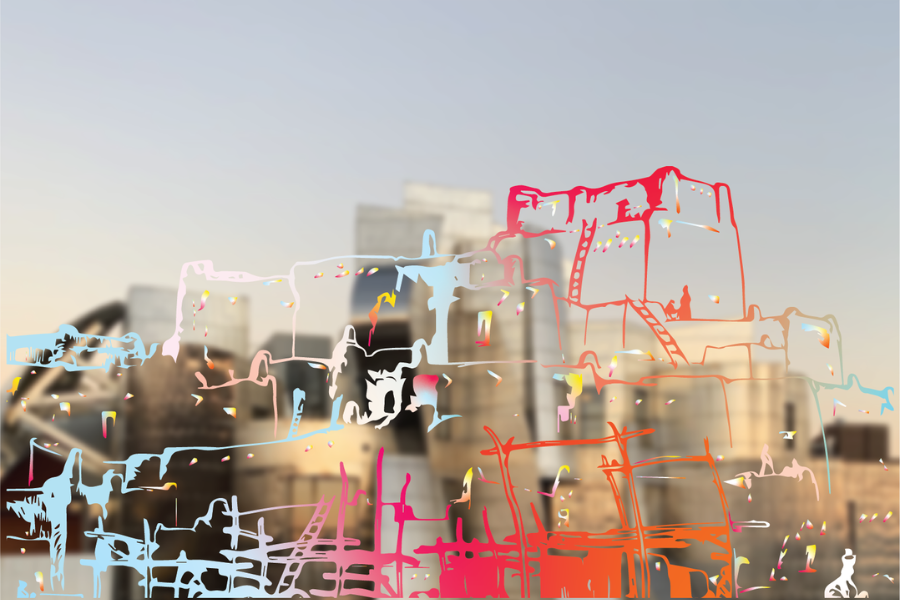
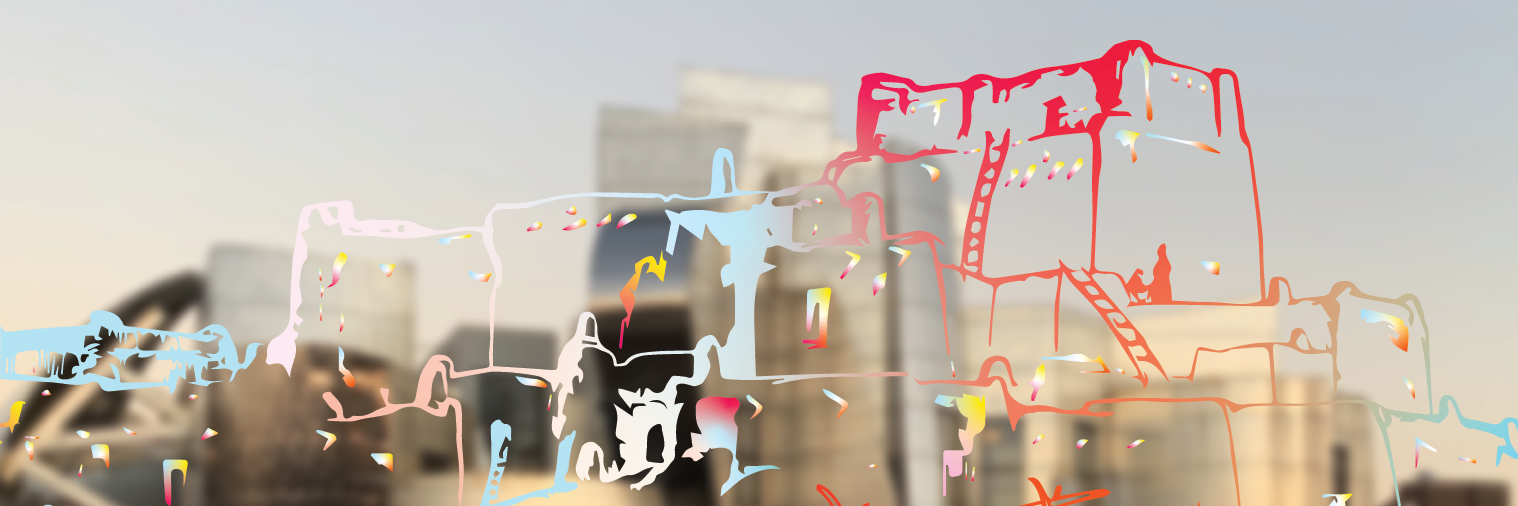
Native American Artist in Residence graphic: an image of the Weisman Art Museum is blurred in the background behind an illustration of a Pueblo structure.

This information session about the Weisman's Native American Artist-in-Residence call for artists was recorded on August, 7, 2024 and is available via the Weisman’s YouTube channel

The Weisman Art Museum (WAM) invites applications from Hopi and Pueblo artists for its Native Artist-in-Residence (NA AiR) position. This two-year residency supports meaningful art-making, research, and interaction with University of Minnesota students, staff, faculty, and the MniSota Native community. 

The residency involves both remote and in-person engagement, culminating in the creation of a new work(s) of art which will be displayed at the Weisman and promoted on museum channels. Applications are welcome from artists working in any mediums. 

RESIDENCY DETAILS 
Stipends: Artist: $55,000 | Supply: $14,300 | Travel + Per Diem 
Residency Period: January 2025 - December 2026 
Eligibility: Artists must be enrolled, have recognized descendancy, or have a proven cultural affiliation with the Hopi and 20 federally recognized Pueblo communities. 

APPLICATION TIMELINE 
Call for Artists Opens: August 1, 2024 
Application Deadline: September 15, 2024 
Interviews: late September—October 2024 
Notification Date: early November, 2024 
Residency begins: January 7, 2025
FAQ

Expand all

FAQ

What is the selection criteria?

  • Artistic Merit and Innovation (20%)
    • High-quality, original work; clear potential to advance and progress in creative process
    • Strong, original work with good potential for progression
    • Adequate quality and originality; some potential for progression
    • Limited quality and originality; minimal potential for progression
    • Poor quality and lack of originality; no potential for progression
  • Engagement and Community Impact (15%)
    • Demonstrates strong interest and experience in leading institutional and social transformation through creative practice; detailed plans for community engagement
    • Shows good interest and some experience; plans for community engagement are clear
    • Adequate interest and experience; basic plans for engagement
    • Limited interest and experience; vague plans for engagement
    • No demonstrated interest or experience; no plans for engagement
  • Research and Interpretation Skills (15%)
    • Exceptional ability to conduct location-based research and contribute to reinterpretation projects
    • Strong research skills and some experience in interpretative projects
    • Adequate research and interpretation skills
    • Limited research experience and interpretation skills
    • No relevant research or interpretation skills
  • Communication and Public Engagement (15%)
    • Excellent communication skills and experience with public presentations
    • Strong communication skills with some public engagement experience
    • Adequate communication skills with basic public engagement experience
    • Limited communication and public engagement skills
    • No relevant communication or public engagement skills
  • Professional Experience and Background (10%)
    • Extensive artistic and professional accomplishments; strong experience with collections and community settings
    • Strong accomplishments; good experience with collections and community settings
    • Adequate accomplishments; some experience with collections and community settings
    • Limited accomplishments; minimal experience with collections and community settings
    • No significant accomplishments or relevant experience
  • Project Proposal (20%)
    • Clear, feasible, and well-aligned with WAM's goals; innovative approach to art-making and transformation
    • Mostly clear and feasible; aligns well with WAM's goals
    • Adequate clarity and feasibility; moderate alignment with WAM's goals
    • Somewhat unclear or infeasible; weak alignment with WAM's goals
    • Unclear, infeasible, or misaligned with WAM's goals
  • References (5%)
    • Outstanding references that strongly support the candidate's qualifications and fit for the residency
    • Strong references with good support for the candidate's qualifications
    • Adequate references with moderate support for the candidate's qualifications
    • Limited references with weak support for the candidate's qualifications
    • No references or references that do not support the candidate's qualifications

How will the artist stipend and supplies budget be split?

Artist Stipend: $55,000

Artist Stipend Distribution:

  • Year 1 (January 2025): $27,500

  • Year 2 (January 2026): $27,500

Supply Stipend: $14,300, to be provided at the start of the residency.

What is meant by ‘new work’?

The WAM NA AiR residency program supports projects developed and completed during the residency period. Proposals can build upon previous work, however, proposals limited to reinstalling or remounting existing work or continuing an ongoing project are not eligible.

How many trips are anticipated?

The number of trips will depend on the specific requirements of the artist's project. Trips may involve visiting locations significant to the artist's work, attending exhibitions, participating in community engagements, or conducting research. Travel stipend of $5,000 total. 

How will travel be handled?

All travel will be coordinated by Weisman staff. 

How long do you anticipate the resident artist will need to spend in MN over the course of the residency?

The amount of time the resident artist will need to spend in Minnesota over the course of the residency is flexible and will be tailored to the specific needs of the artist, their project, and their other commitments. 

What kinds of public programs and engagement activities will the artist be developing and leading, and with whom?

The public programs and engagement activities will be developed through a collaborative process involving the artist, museum staff, and community members. These programs will aim to foster dialogue, share knowledge, and build connections between the artist's work and the public. Two public programs can be presented during the artist residency period, with a final convening that is collaboratively developed alongside project partners. 

How long will the resulting artwork be displayed at the museum? Is there a timeline for that?

The residency involves both remote and in-person engagement, culminating in the creation of a new work(s) of art which will be displayed at the Weisman and promoted on museum channels. 

The duration and timeline for displaying the resulting artwork at the museum will be determined through a collaborative decision-making process involving the artist, museum staff, and other stakeholders.

What will happen to the artwork after the display period is through?

After the display period, the museum will consider the artwork for accession into its permanent collection. If the museum does not accession the artwork, it may be returned to the artist, who could explore other exhibition opportunities or sales.

What do you mean by “conduct location-based research”? What does that entail?

Conducting location-based research involves engaging with the local environment and community to inform artistic work. This includes participating in community events, visiting culturally significant sites, and studying the natural landscape as it pertains to the artists practice. It also involves utilizing University of Minnesota resources, such as faculty expertise and research centers, attending workshops and lectures with scholars and cultural practitioners, and experimenting with materials. The specifics of the artist's research will be determined by the artist's interests. 

What type of work is the museum wanting to support?

The museum is open to supporting a diverse range of artistic work through the Native American Artist-in-Residence program. Since the type of work is not predetermined, the program encourages artists to explore and propose projects that align with their interests and expertise. Additionally, artists are encouraged to balance the residency with other commitments they may have, ensuring flexibility and support for their broader professional goals.

Can I work on other projects during this residency?

Yes, you can work on other projects during the residency. The program is designed to support the artist's creative process while allowing for flexibility with other commitments. We understand that artists often have multiple projects and obligations, and the residency aims to accommodate these by providing a supportive environment for your work.